Introduction
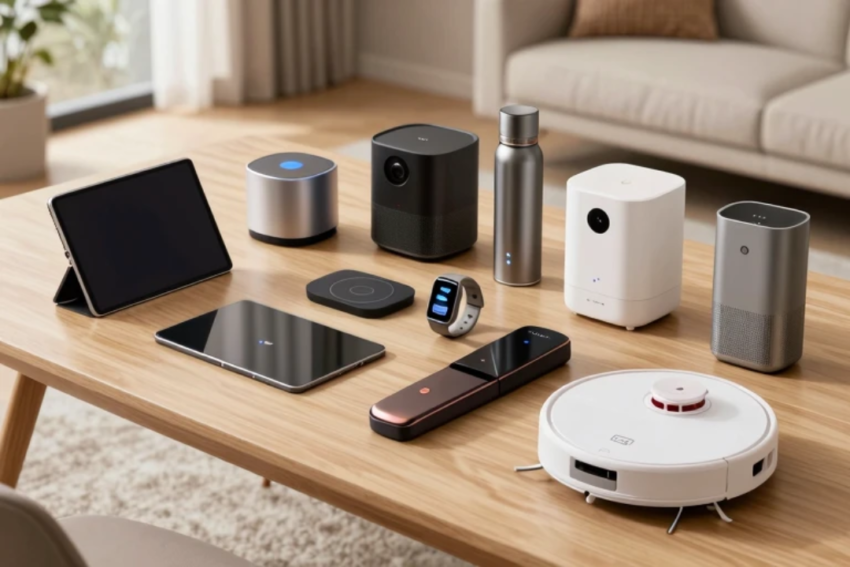
Technology has always played a major role in shaping human lifestyles, but the speed of innovation today is unlike anything seen before. New gadgets and smart devices are changing how people communicate, work, manage their health, protect their homes, and entertain themselves. Devices that once seemed like futuristic concepts are now becoming part of everyday life.
Modern smart devices are powered by advanced technologies such as artificial intelligence (AI), machine learning, cloud computing, advanced sensors, and high-speed connectivity. These technologies allow gadgets to understand user behavior, automate tasks, and provide personalized experiences.
From intelligent smartphones and wearable health monitors to smart home systems and AI-powered assistants, innovative gadgets are creating a more connected and convenient world. This article explores the top 10 smart devices that are transforming the way we live and shaping the future of technology.
1. AI-Powered Smartphones
Smartphones have become one of the most important devices in modern society. They are no longer just communication tools but powerful computers that fit in our pockets.
The latest generation of smartphones uses artificial intelligence to improve performance, photography, security, and user experience.
Key AI-powered smartphone features include:
- Smart camera optimization
- Voice assistants
- Real-time translation
- Personalized recommendations
- Battery management
- Automated organization of apps and files
AI cameras can recognize different environments and automatically adjust settings to capture better photos. AI assistants can help users schedule tasks, answer questions, control smart devices, and improve productivity.
Future smartphones may become even more intelligent, predicting user needs before commands are given and acting as complete personal digital assistants.
2. Smartwatches and Health Wearables
Wearable technology has revolutionized personal health and fitness management. Smartwatches and fitness trackers allow users to monitor their bodies and improve their lifestyles.
Modern wearable devices can measure:
- Heart rate
- Sleep quality
- Daily activity
- Stress levels
- Blood oxygen levels
- Workout performance
These devices provide valuable health insights and encourage users to maintain healthier habits.
Future wearable technology may include advanced medical monitoring features that can detect early warning signs of health problems. Smart clothing and smart rings may also become more popular as technology becomes smaller and more efficient.
Wearables are transforming healthcare by making personal health information more accessible and easier to understand.
3. Smart Home Systems
Smart home technology is changing traditional houses into intelligent living spaces. Connected devices allow homeowners to control lighting, security, temperature, and appliances through smartphones or voice commands.
Popular smart home devices include:
- Smart speakers
- Smart lights
- Smart thermostats
- Security cameras
- Automated locks
- Connected kitchen appliances
Artificial intelligence allows these devices to learn user preferences and automatically adjust settings.
For example, a smart thermostat can learn a family’s schedule and adjust room temperatures to save energy. Smart security systems can detect unusual activity and send alerts to homeowners.
The future of smart homes will focus on greater automation, energy efficiency, and improved security.
4. Smart Glasses and Augmented Reality Devices
Smart glasses represent a major step toward the future of computing. Unlike traditional screens, augmented reality (AR) devices display digital information directly in the user’s environment.
Smart glasses can provide:
- Navigation directions
- Real-time translations
- Workplace assistance
- Virtual meetings
- Educational experiences
In professional environments, AR glasses can help engineers, doctors, and technicians access important information while working.
For consumers, smart glasses may eventually replace some smartphone functions by allowing users to communicate, browse information, and interact with digital content without holding a device.
As AR technology improves, smart glasses could become one of the most important personal devices of the future.
5. AI-Powered Smart Speakers
Smart speakers have become common household devices, providing users with voice-controlled access to information and entertainment.
These devices can:
- Play music
- Answer questions
- Control smart home devices
- Set reminders
- Provide news updates
- Manage schedules
Powered by artificial intelligence, smart speakers can understand natural language and improve their responses over time.
Future smart speakers will become more personalized, acting as intelligent home assistants that understand user preferences and manage multiple aspects of daily life.
6. Wireless Earbuds and Smart Audio Devices
Wireless audio devices have transformed the way people listen to music, communicate, and interact with technology.
Modern smart earbuds offer features such as:
- Noise cancellation
- Voice assistance
- Health monitoring
- Real-time translation
- Adaptive sound control
Some advanced earbuds can adjust audio automatically based on the user’s environment.
Future smart audio devices may include biometric sensors that monitor health information and AI features that provide personalized audio experiences.
These devices demonstrate how everyday accessories are becoming smarter and more connected.
7. Smart Security Devices
Security technology has improved significantly with the introduction of intelligent monitoring devices.
Smart security gadgets include:
- Video doorbells
- Smart cameras
- Motion sensors
- Digital locks
- Alarm systems
These devices use AI to recognize people, detect unusual activity, and send instant alerts.
Smart security systems provide homeowners with greater control and peace of mind, allowing them to monitor their properties remotely from anywhere.
Future security devices will become even more advanced through facial recognition, improved AI analysis, and stronger privacy protection.
8. Smart Home Robots
Robots are moving from factories into homes, becoming useful personal assistants.
Modern home robots can help with:
- Cleaning floors
- Monitoring homes
- Delivering items
- Providing entertainment
- Assisting elderly users
Robot vacuum cleaners are already widely used, but future robots will perform more complex tasks.
AI-powered home robots may eventually help with cooking, household management, and personal assistance.
As robotics technology improves, robots will become more affordable and practical for everyday users.
9. Foldable and Flexible Electronic Devices
Foldable technology is changing the design of traditional electronic devices. Flexible displays allow manufacturers to create devices that can transform based on user needs.
Examples include:
- Foldable smartphones
- Flexible tablets
- Rollable displays
- Portable computers
These devices combine portability with larger screens, giving users more flexibility.
Future flexible technology may create devices that can be folded, expanded, or worn like accessories.
This innovation represents a major change in how people think about the design of electronics.
10. Smart Vehicles and Connected Transportation Devices
Technology is transforming transportation through intelligent vehicles and connected systems.
Modern smart vehicles include:
- Advanced driver assistance systems
- Navigation intelligence
- Voice controls
- Electric vehicle technology
- Safety automation
Future vehicles will become increasingly connected, communicating with other vehicles and infrastructure to improve safety and efficiency.
Autonomous driving technology may eventually reduce accidents and make transportation more convenient.
Smart transportation devices will play an important role in creating future cities.
How Smart Devices Are Improving Daily Life
Innovative gadgets are changing everyday experiences in many ways.
Improved Convenience
Smart devices automate routine tasks, saving time and effort.
Better Health Management
Wearable technology allows people to monitor and improve their health.
Increased Productivity
AI-powered tools help users organize tasks and work more efficiently.
Enhanced Security
Smart monitoring systems provide better protection for homes and businesses.
Better Connectivity
Connected devices allow people to communicate and access information instantly.
These benefits demonstrate how technology is becoming deeply integrated into modern lifestyles.
Challenges of Smart Devices
Despite their advantages, smart devices also create challenges.
Privacy Concerns
Many smart gadgets collect personal information, creating concerns about data protection.
Cybersecurity Risks
Connected devices can become targets for hackers if security measures are weak.
Technology Dependence
Heavy reliance on smart devices may affect how people interact and solve problems independently.
Cost and Accessibility
Advanced gadgets may be expensive, limiting access for some users.
Manufacturers must focus on security, affordability, and responsible design to ensure smart technology benefits everyone.
The Future of Smart Gadgets
The future of smart devices will be shaped by artificial intelligence, improved connectivity, and advanced materials.
Future innovations may include:
- AI personal robots
- Smart contact lenses
- Brain-computer interfaces
- Advanced health monitoring devices
- Self-learning home systems
- More sustainable electronics
Technology will continue moving toward devices that are smaller, smarter, and more integrated into daily life.
Conclusion
Innovative gadgets and smart devices are changing the way people live by making everyday activities more efficient, convenient, and connected. AI-powered smartphones, wearable health devices, smart homes, augmented reality systems, intelligent robots, and connected vehicles represent only the beginning of a new era of technology.
As these devices continue to evolve, they will become more personalized and intelligent, helping people work smarter, live healthier, and interact with the world in new ways.
The future of technology is not just about creating more gadgets—it is about developing intelligent devices that improve human experiences and make life easier, safer, and more connected.