Introduction
Technology has become an essential part of modern life, changing the way people communicate, work, learn, travel, and entertain themselves. Over the past few decades, devices such as smartphones, laptops, and tablets have evolved from simple tools into powerful digital companions that influence almost every aspect of daily activities.
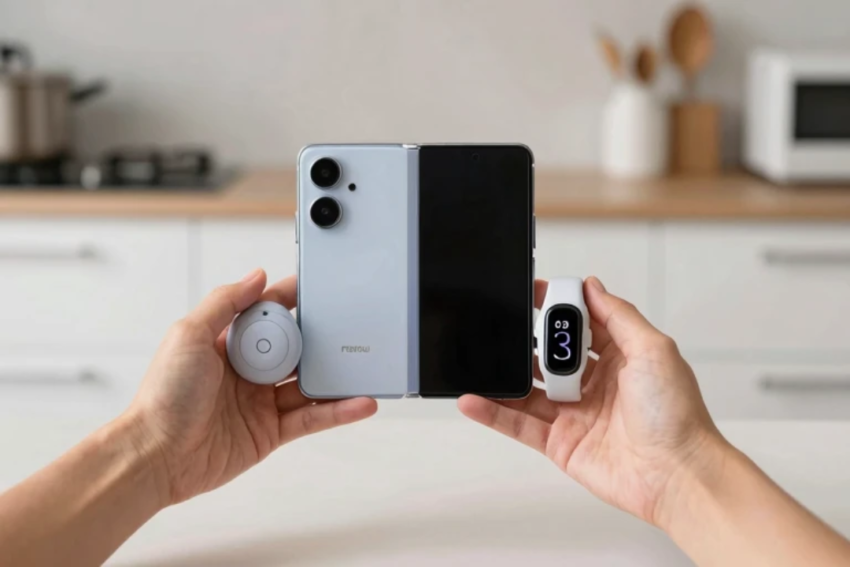
Today, a new generation of technology devices is emerging, powered by artificial intelligence, advanced sensors, faster connectivity, and innovative designs. These devices are not only becoming more powerful but also more intelligent, personalized, and connected. From AI-powered smartphones and wearable health monitors to smart home systems and futuristic robots, technology is moving closer to becoming a natural extension of human life.
The future of technology is no longer just about having faster processors or larger screens. It is about creating devices that understand users, anticipate their needs, and improve productivity, health, and overall quality of life. These innovations are transforming ordinary objects into intelligent systems capable of making everyday experiences easier and more efficient.
The Evolution of Personal Technology Devices
The journey of personal technology devices has been remarkable. Early computers were large machines designed mainly for businesses and research institutions. Over time, technological advancements made computers smaller, faster, and accessible to everyday users.
The introduction of smartphones changed the technology landscape by combining communication, computing, photography, navigation, and entertainment into a single device. Today, smartphones function as personal assistants, cameras, payment tools, and productivity platforms.
Modern technology devices are continuing this evolution by becoming:
- More intelligent through artificial intelligence
- More connected through advanced networks
- More personalized through user data
- More sustainable through efficient designs
- More interactive through voice and gesture controls
The future will bring devices that are not only tools but also intelligent partners that assist users in their daily lives.
1. AI-Powered Smartphones: The Next Generation of Mobile Technology
Smartphones remain one of the most important technology devices in the world. However, the future of smartphones is moving beyond traditional improvements in cameras and processors. Artificial intelligence is becoming the central feature that defines the next generation of mobile devices.
AI-powered smartphones can understand user behavior, optimize performance, and provide personalized experiences.
Future smartphone capabilities may include:
- AI-generated content creation
- Intelligent personal assistants
- Real-time language translation
- Advanced photography enhancement
- Predictive battery management
- Automated task management
For example, AI cameras can automatically adjust settings based on lighting conditions, recognize objects, and improve image quality without requiring professional skills.
AI assistants are also becoming more advanced, helping users schedule appointments, summarize information, manage emails, and control connected devices.
The smartphone of the future will not simply respond to commands—it will anticipate user needs and provide proactive assistance.
2. Wearable Technology: Smart Devices for Health and Lifestyle
Wearable technology has become one of the fastest-growing areas of consumer electronics. Smartwatches, fitness trackers, and health-monitoring devices are changing how people understand and manage their health.
Modern wearable devices can track:
- Heart rate
- Sleep patterns
- Physical activity
- Stress levels
- Blood oxygen levels
- Body temperature
Future wearable devices will likely include even more advanced health monitoring features, allowing users to detect potential health issues earlier.
Beyond health, wearable technology is expanding into areas such as:
- Smart clothing
- Augmented reality glasses
- Smart rings
- Fitness equipment
- Workplace safety devices
Wearables are becoming valuable tools for improving personal wellness, increasing productivity, and creating more personalized digital experiences.
3. Smart Home Devices: Creating Intelligent Living Spaces
Smart home technology is transforming traditional houses into connected environments where devices communicate with each other and respond automatically.
Examples of smart home devices include:
- Smart speakers
- Intelligent lighting systems
- Automated security cameras
- Smart thermostats
- Connected appliances
Artificial intelligence allows these devices to learn user preferences and automate daily routines.
For example, a smart home system can adjust lighting based on the time of day, control temperature according to user habits, and improve energy efficiency automatically.
Future smart homes will become even more advanced, using AI to create personalized environments that improve comfort, security, and sustainability.
4. Augmented Reality and Virtual Reality Devices
Augmented Reality (AR) and Virtual Reality (VR) devices are changing the way people interact with digital information.
Virtual reality creates fully immersive digital environments, while augmented reality adds digital elements to the real world.
These technologies are being used in:
- Gaming
- Education
- Healthcare
- Engineering
- Training
- Remote collaboration
Future AR glasses may replace traditional screens by displaying information directly in a user’s field of vision. Instead of looking at a smartphone for directions, users may see navigation instructions displayed in real time through smart glasses.
Businesses are also exploring AR and VR for virtual meetings, product demonstrations, and professional training.
These technologies represent a major shift toward more natural and immersive digital interactions.
5. Smart Robots and Personal Assistants
Robotics is another area where technology devices are rapidly advancing. Modern robots are becoming more intelligent, capable of understanding environments and performing complex tasks.
Personal robots may assist with:
- Household tasks
- Elderly care
- Education
- Security
- Entertainment
AI-powered robots can learn from experience and adapt to different situations.
In homes, robots could help with cleaning, monitoring safety, and assisting people with daily activities. In businesses, robots are already improving manufacturing, logistics, and customer service.
As artificial intelligence improves, robots will become more useful, affordable, and common in everyday environments.
6. Foldable and Flexible Devices
Traditional electronic devices usually have fixed shapes, but new technologies are introducing flexible and foldable designs.
Foldable smartphones and flexible displays allow devices to offer larger screens while remaining portable.
Future flexible devices may include:
- Rollable screens
- Foldable tablets
- Flexible wearable displays
- Lightweight computers
These innovations could completely change the design of personal electronics by allowing devices to adapt to different situations.
Instead of choosing between portability and screen size, users may have devices that provide both.
7. Advanced Connectivity Through 5G and Beyond
The future of technology devices depends heavily on faster and more reliable connectivity. Advanced wireless networks allow devices to communicate instantly and support new applications.
Faster connectivity enables:
- Real-time gaming
- Smart transportation
- Remote healthcare
- Connected cities
- Autonomous machines
Future devices will rely on powerful networks to exchange information quickly and operate efficiently.
As connectivity improves, more devices will become interconnected, creating a world where technology works together seamlessly.
8. Sustainable and Eco-Friendly Technology Devices
Environmental concerns are influencing the development of new technology devices. Manufacturers are focusing on creating products that consume less energy, use recyclable materials, and reduce electronic waste.
Future sustainable technology may include:
- Energy-efficient processors
- Longer-lasting batteries
- Recyclable materials
- Repairable device designs
- Solar-powered electronics
Consumers are increasingly interested in environmentally responsible technology, encouraging companies to develop greener products.
Sustainable innovation will become a major factor in the future of electronic devices.
The Role of Artificial Intelligence in Future Devices
Artificial intelligence is the foundation behind many upcoming technology innovations. AI allows devices to become smarter, more adaptive, and more useful.
Future AI-powered devices will be able to:
- Learn user preferences
- Predict needs
- Automate tasks
- Improve security
- Provide personalized recommendations
The combination of AI with sensors, connectivity, and advanced hardware will create devices that feel more natural and intelligent.
Challenges of Future Technology Devices
Although new technology devices provide many benefits, they also create challenges.
Privacy Concerns
Smart devices collect large amounts of personal information. Protecting user data will remain a major concern.
Security Risks
Connected devices may become targets for cyberattacks if they are not properly secured.
Digital Dependency
As technology becomes more integrated into daily life, people must maintain a healthy balance between digital and physical experiences.
Cost and Accessibility
Advanced devices may initially be expensive, creating challenges for widespread adoption.
Addressing these challenges will be essential for creating a safe and inclusive technological future.
The Future of Human-Technology Interaction
The relationship between humans and technology is becoming more natural. Voice commands, gestures, artificial intelligence, and biometric systems are replacing traditional methods of interaction.
Future devices may respond to:
- Voice instructions
- Eye movements
- Hand gestures
- Facial expressions
- Biological signals
This evolution will make technology easier to use and more accessible for people of different abilities.
The goal is to create technology that works naturally with humans rather than requiring users to adapt to machines.
Conclusion
The future of technology devices is transforming the way people interact with the digital world. AI-powered smartphones, wearable health devices, smart homes, immersive reality systems, intelligent robots, flexible displays, and sustainable electronics are creating a new generation of technology that is more powerful, connected, and personalized.
These innovations will continue to improve communication, productivity, healthcare, entertainment, and everyday convenience. However, responsible development will be necessary to address challenges related to privacy, security, and accessibility.
Technology is moving beyond simple devices and becoming an intelligent partner in human life. The future will not just be about owning smarter gadgets—it will be about creating a more connected, efficient, and intelligent world where technology helps people achieve more.