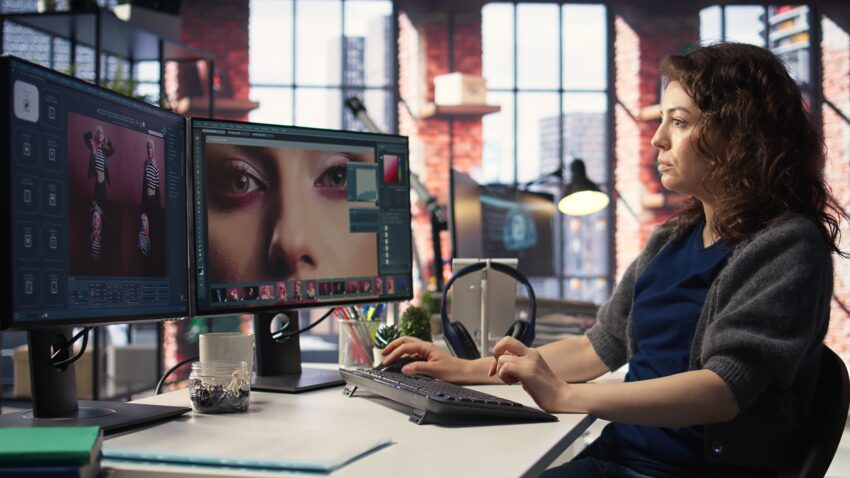
Artificial Intelligence is transforming the creative industry, and AI image generator tools are leading the way. In 2026, designers, marketers, bloggers, and businesses can create professional-quality visuals in minutes without advanced graphic design skills. From realistic portraits and digital illustrations to marketing graphics and concept art, AI-powered image generators have become an essential part of modern content creation.
Choosing the right AI image generator can save time, improve creativity, and streamline design workflows. In this guide, we’ll explore the best AI image generator tools in 2026, highlighting their key features, advantages, and ideal use cases to help you make the right choice.
Why Use AI Image Generator Tools?
AI image generators use advanced machine learning models to create unique images from text prompts. Instead of spending hours designing graphics from scratch, users can simply describe what they need and receive high-quality visuals within seconds.
Benefits of AI Image Generator Tools
- Create professional images quickly
- Save time on graphic design
- Generate unique artwork
- Improve marketing campaigns
- Design social media content
- Create website illustrations
- Produce product mockups and concept art
- Increase creative productivity
These tools are suitable for designers, entrepreneurs, bloggers, educators, digital marketers, and content creators.
1. Midjourney
Midjourney remains one of the most powerful AI image generators in 2026. It is known for producing artistic, highly detailed, and visually impressive images.
Key Features
- High-quality digital artwork
- Cinematic image styles
- Detailed textures
- Creative prompt interpretation
- Regular feature updates
Pros
- Exceptional image quality
- Excellent artistic results
- Large creative community
Cons
- Learning curve for beginners
- Subscription required for advanced usage
2. DALL·E
DALL·E is an advanced AI image generator capable of creating realistic images, illustrations, and edited visuals from simple text prompts.
Key Features
- Text-to-image generation
- Image editing capabilities
- Background replacement
- Style customization
- High-resolution output
Best For
- Marketing visuals
- Blog graphics
- Website images
- Creative projects
3. Adobe Firefly
Adobe Firefly is designed specifically for creative professionals. It integrates seamlessly with Adobe Creative Cloud applications.
Features
- AI-powered image generation
- Generative fill
- Text effects
- Commercial-friendly outputs
- Photoshop integration
Best For
Professional graphic designers and creative agencies.
4. Canva AI
Canva AI combines powerful design tools with AI image generation, making it easy for beginners to create professional graphics.
Features
- AI image creator
- Drag-and-drop editor
- Social media templates
- Presentation design
- Marketing graphics
Pros
- Beginner-friendly
- Fast workflow
- Large template library
5. Stable Diffusion
Stable Diffusion is an open-source AI image generator offering extensive customization options for developers and designers.
Features
- Open-source platform
- Custom AI models
- High-resolution image generation
- Style customization
Best For
- Developers
- Advanced designers
- AI enthusiasts
6. Leonardo AI
Leonardo AI has become a favorite among game developers, digital artists, and creative professionals.
Key Features
- Game asset creation
- Character design
- Fantasy artwork
- Concept art
- Image enhancement
Pros
- Excellent detail quality
- Multiple artistic styles
- Easy-to-use interface
7. Ideogram
Ideogram stands out for generating images with accurate and readable text, making it ideal for branding and marketing materials.
Features
- Text-to-image generation
- Typography support
- Logo concepts
- Poster design
- Social media graphics
Best For
Businesses, marketers, and designers who need text integrated into visuals.
8. Microsoft Designer
Microsoft Designer combines AI-powered image generation with intuitive design tools to help users create marketing materials, invitations, banners, and presentations.
Features
- AI image creation
- Graphic design templates
- Social media content
- Business presentations
Best For
Small businesses and office professionals.
9. DreamStudio
DreamStudio offers a user-friendly interface built on Stable Diffusion technology, making advanced AI image generation accessible to everyone.
Features
- High-quality image generation
- Prompt customization
- Multiple art styles
- Fast rendering
Pros
- Easy to use
- Flexible settings
- Affordable pricing
10. NightCafe
NightCafe is one of the most popular AI art platforms, offering multiple AI models and creative styles for digital artwork.
Features
- AI art generation
- Community challenges
- Style transfer
- Image enhancement
Best For
Artists, hobbyists, and creative professionals.
How to Choose the Best AI Image Generator
Selecting the right AI image generator depends on your specific needs. Consider these important factors before making a decision.
Image Quality
Look for tools that consistently generate sharp, realistic, and detailed images.
Ease of Use
A simple interface helps beginners create professional visuals without a steep learning curve.
Customization Options
Advanced users may prefer tools that allow style adjustments, prompt refinement, and image editing.
Pricing
Compare free plans, subscription costs, and credit systems to find the best value.
Commercial Licensing
If you plan to use AI-generated images for business, ensure the platform allows commercial usage under its licensing terms.
AI Image Generator Tools for Different Users
For Graphic Designers
- Adobe Firefly
- Midjourney
- Leonardo AI
For Bloggers
- Canva AI
- DALL·E
- Microsoft Designer
For Marketing Teams
- Canva AI
- Ideogram
- Adobe Firefly
For Digital Artists
- Midjourney
- Stable Diffusion
- NightCafe
For Beginners
- Canva AI
- Microsoft Designer
- DreamStudio
Tips for Creating Better AI Images
To achieve the best results with AI image generators:
- Write clear and detailed prompts.
- Include lighting, colors, style, and composition in your prompt.
- Experiment with different artistic styles.
- Generate multiple versions before selecting the best one.
- Refine images using editing tools.
- Combine AI-generated visuals with manual editing for professional-quality results.
The quality of your prompt often determines the quality of the final image.
Are AI Image Generator Tools Good for Businesses?
Yes. Businesses use AI-generated images for:
- Website banners
- Product mockups
- Social media marketing
- Advertising campaigns
- Blog illustrations
- Presentation graphics
- Brand concepts
AI image generation significantly reduces design costs while speeding up content production.
Final Thoughts
AI image generator tools have revolutionized digital creativity in 2026. Whether you’re a professional designer, content creator, marketer, or small business owner, these platforms make it easier than ever to create stunning visuals in minutes.
Midjourney excels in artistic image generation, DALL·E offers versatile text-to-image capabilities, Adobe Firefly integrates seamlessly into professional design workflows, and Canva AI provides an accessible solution for beginners. Meanwhile, Stable Diffusion, Leonardo AI, Ideogram, DreamStudio, Microsoft Designer, and NightCafe each bring unique strengths for different creative needs.
The best AI image generator is the one that matches your workflow, budget, and design goals. By combining AI-generated visuals with your own creativity and editing skills, you can produce eye-catching content that enhances your brand, engages your audience, and saves valuable time.