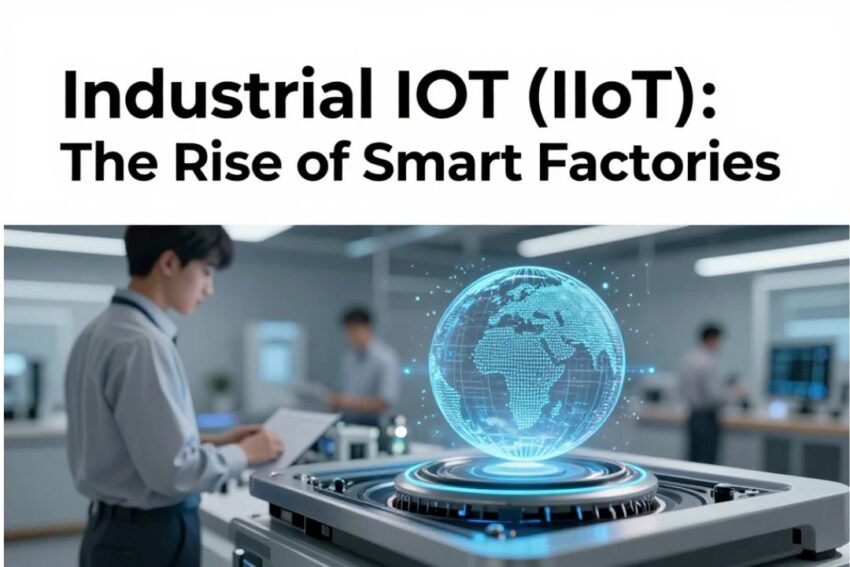
The Industrial Internet of Things, often called IIoT, is a branch of IoT that focuses on industrial applications. Unlike consumer IoT, which enhances daily life at home, IIoT transforms manufacturing, logistics, energy, and other industries by connecting machines, sensors, and systems to the internet. The result is the creation of smart factories, where operations are optimized, production becomes more efficient, and downtime is minimized.
1. What Makes IIoT Different
While traditional IoT focuses on convenience, IIoT emphasizes efficiency, productivity, and safety in industrial settings. Key differences include:
- Scale: IIoT networks often involve hundreds or thousands of connected machines.
- Critical Operations: Devices control high-stakes equipment like assembly lines, turbines, or robots.
- Data-Driven Decisions: IIoT collects massive amounts of real-time data to optimize operations and reduce costs.
IIoT doesn’t just automate tasks—it creates intelligent, interconnected systems that anticipate problems before they happen.
2. Key Components of IIoT
Industrial IoT systems rely on several core components:
- Sensors and Actuators: Detect temperature, pressure, vibration, motion, and other industrial parameters.
- Connectivity Infrastructure: Uses industrial-grade Wi-Fi, 5G, LoRaWAN, or wired networks to transfer data reliably.
- Edge Computing: Processes data locally on factory floors to reduce latency and make instant decisions.
- Cloud Platforms: Store and analyze large datasets for insights, predictive maintenance, and optimization.
- AI and Machine Learning: Predict equipment failures, optimize production schedules, and improve quality control.
Together, these components create a smart, responsive manufacturing ecosystem.
3. Benefits of Smart Factories
IIoT enables manufacturers to improve efficiency, reduce costs, and enhance safety. Key benefits include:
- Predictive Maintenance: Machines are monitored in real time, allowing maintenance before failures occur, reducing downtime and repair costs.
- Operational Efficiency: Connected machines communicate with each other, optimizing workflows and energy use.
- Quality Control: Sensors detect deviations in product quality, ensuring consistency and reducing waste.
- Supply Chain Visibility: Real-time tracking of materials and shipments improves planning and reduces delays.
- Worker Safety: Wearables and sensors monitor environmental hazards, alerting workers to risks instantly.
Smart factories demonstrate how IIoT transforms data into actionable insights for better business outcomes.
4. Real-World IIoT Applications
- Automotive Manufacturing: Robots, sensors, and connected assembly lines enable precision production and minimize errors.
- Energy Sector: Smart grids and connected turbines optimize energy distribution and reduce operational costs.
- Logistics and Warehousing: IoT-powered tracking systems monitor inventory, equipment, and shipments in real time.
- Food and Beverage Industry: Sensors ensure temperature, humidity, and hygiene standards, maintaining product quality.
These examples show how IIoT enhances both productivity and safety across industries.
5. Challenges in IIoT Implementation
Implementing IIoT in factories comes with challenges:
- High Initial Costs: Upgrading legacy systems and installing sensors can be expensive.
- Cybersecurity Risks: Connected machines can be targeted by hackers, potentially disrupting production.
- Integration Complexity: Different equipment brands and software systems may be difficult to connect.
- Data Management: Handling large volumes of data requires robust storage, analytics, and security measures.
Despite these challenges, the long-term benefits of IIoT often outweigh the initial hurdles.
6. The Future of Industrial IoT
IIoT continues to evolve, with future trends including:
- Fully Autonomous Factories: Machines and systems self-manage production processes with minimal human intervention.
- AI-Powered Decision Making: Advanced algorithms predict demand, optimize energy use, and reduce waste.
- 5G Connectivity: Ultra-fast and reliable networks allow real-time communication between industrial devices.
- Sustainability Initiatives: IIoT supports greener production methods, efficient energy use, and waste reduction.
The rise of smart factories is reshaping manufacturing, making it faster, safer, and more efficient than ever before.
Conclusion: IIoT as a Game-Changer
Industrial IoT represents a major transformation in manufacturing and industrial operations. By connecting machines, monitoring performance, and leveraging real-time data, smart factories are improving productivity, reducing downtime, and enhancing worker safety. As IIoT technologies advance, industrial operations will become increasingly automated, intelligent, and responsive, creating the foundation for the factories of the future.